
The Long Road from Shame to Death
American PrometheusThis thread follows Oppenheimer’s recurring vulnerability under pressure, from youthful crisis to the final illness he met with restraint.
increasing Bearing strength in each event
 decreasing
Bearing strength in each eventdecreasingThe Cambridge Breakdown

The Cambridge Breakdown
A collapse of confidence
Oppenheimer struggled with laboratory work, loneliness, and relationships. He experienced severe depression, suicidal thoughts, and an impulsive act involving a poisoned apple.
A fragile recovery
Psychiatric treatment and a return to theoretical physics helped him recover. Yet the episode revealed a vulnerability that would reappear under intense pressure.
The 1943 Security Interview

The 1943 Security Interview
Pressure produces invention
Confronted unexpectedly by security officers, Oppenheimer gave a false and elaborate account of the Chevalier approach. He later described his behavior as idiotic and could not fully explain it.
A pattern begins
He was trying to protect a friend while helping the government, but under pressure he made matters worse. The episode established a pattern of spontaneous misjudgment under interrogation.
The Truman Encounter

The Truman Encounter
A failed appeal
Oppenheimer tried to explain the moral and strategic danger of nuclear weapons to President Truman. He told the president he felt he had blood on his hands.
Words turn against him
Truman reacted angrily, and the meeting failed to move policy. Oppenheimer’s directness, effective in scientific discussion, became self-defeating under political pressure.
The Hearing Ordeal
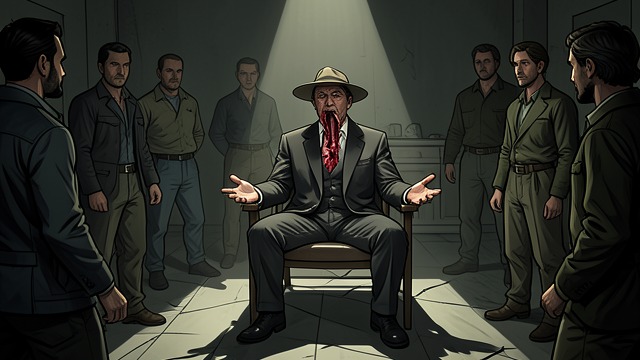
The Hearing Ordeal
A witness under attack
Oppenheimer faced aggressive questioning about his past, friends, and conflicting accounts. He often answered openly, even when doing so damaged his case and exposed people he wished to protect.
A repeated vulnerability
His candor and inability to prepare for hostile tactics gave his opponents advantages. The hearing repeated the pattern of a brilliant man saying damaging things under pressure.
Illness and Acceptance
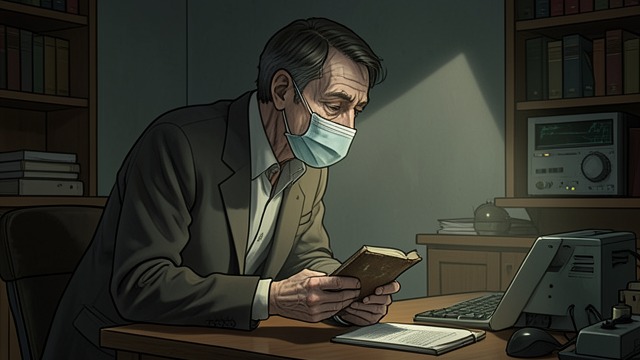
Illness and Acceptance
Diminishing strength
Throat cancer, painful treatment, and physical decline narrowed Oppenheimer’s world. He continued to receive friends and remained intellectually engaged as long as he could.
A quiet end
He faced death without a public final confession or dramatic reversal. His last years left his contradictions unresolved but made his courage and fragility visible.
Late 1925, during his first year in Cambridge
August 1943, after Oppenheimer spoke with Pash
October 1945, in the Oval Office
April–May 1954, during cross-examination
1966–1967, during his final illness
